
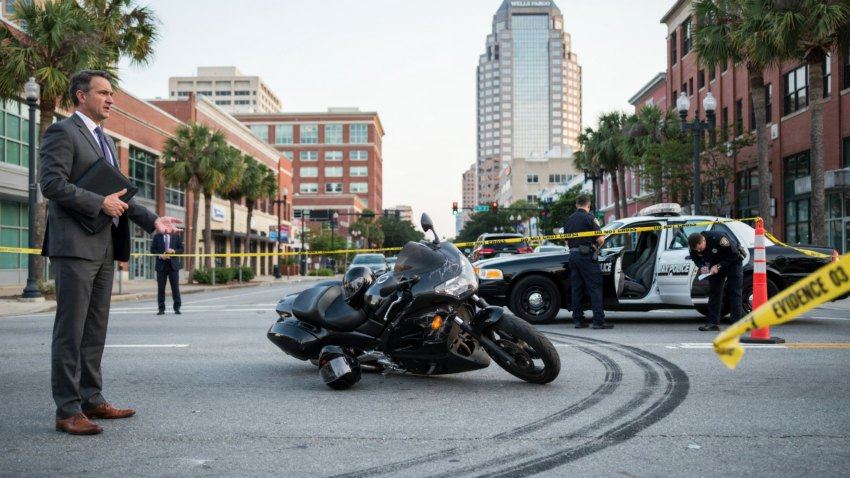
Compensation after a Jacksonville motorcycle crash may cover medical care, lost income, damage to the motorcycle and gear, and pain and reduced mobility. The amount depends on documented losses, injury outlook, available insurance, and how fault is assigned. Under Florida law, compensation may be reduced if the rider shares responsibility and is generally barred if the rider is more than 50% at fault. Evidence and policy limits can also shape recovery. The Jacksonville Motorcycle Accident Lawyer team at Law Offices of Anidjar and Levine can explain what may affect a claim.
What Compensation Can a Jacksonville Rider Recover?
A serious motorcycle crash can leave a rider facing expenses and losses well beyond the initial medical bills. In Jacksonville, compensation may address the practical and personal effects of the collision, depending on the evidence and circumstances. Recoverable economic losses can include reasonable treatment expenses, rehabilitation costs, medication, and necessary medical equipment. A rider may also seek compensation for lost income during recovery and reduced future earning capacity when injuries limit their ability to keep working.
Property damage may cover repair or replacement of the motorcycle, riding gear, and other belongings harmed in the crash. Non-economic damages may account for physical pain, emotional distress, and diminished enjoyment of daily activities. These losses can be difficult to measure, so records, professional opinions, and a clear account of how the injury affects ordinary life can help establish their extent.
The available recovery depends on liability, insurance coverage, and Florida law. Careful documentation can help guarantee the rider’s needs are accurately presented during a claim.
Which Losses Can a Motorcycle Claim Cover?
A motorcycle claim may cover reasonable medical expenses, including treatment and rehabilitation costs. It may also compensate riders for income lost during recovery. If injuries cause lasting discomfort or emotional distress, you may be able to recover damages for pain and suffering.
Medical Expenses
Medical expenses after a Jacksonville motorcycle crash can include more than the initial emergency-room bill. Depending on the injuries, a claim may account for ambulance transport, hospital care, surgery, diagnostic tests, follow-up appointments, and necessary medical equipment. Claims may also cover prescription costs and rehabilitation expenses when supported by appropriate records and linked to the crash.
Some injuries require continuing treatment, so future medical needs may matter as well. Doctors’ evaluations, treatment plans, invoices, and receipts can help document both expenses already incurred and reasonably anticipated care. Keeping these records organized can make it easier to show how the collision affected a rider’s health and what treatment is needed.
Compensation for medical expenses depends on the available evidence, applicable insurance coverage, and the circumstances of the crash. A qualified professional can help assess which costs may be recoverable.
Lost Income
Beyond treatment costs, a Jacksonville motorcycle crash claim may account for income a rider loses while recovering. Compensation may cover missed wages when injuries prevent a return to work, including regular pay, overtime, commissions, and employment benefits. Documentation such as pay stubs, tax records, employer statements, and medical restrictions can help establish the amount and duration of lost earnings.
A claim may also address reduced future earning capacity if lasting injuries limit the rider’s ability to perform previous duties or work the same hours. For self-employed riders, self-employment losses may be shown through contracts, invoices, business records, and evidence of canceled work. Missed training, promotions, or other career advancement opportunities may also affect future income, but you’ll need documentation to support those losses. Careful records can help clarify how the crash disrupted the rider’s ability to provide for dependents and contribute at work.
Pain and Suffering
Pain and suffering compensation may address the physical pain, emotional distress, and loss of enjoyment of life a rider experiences after a Jacksonville motorcycle crash. These non-economic losses do not have a fixed dollar value. Their significance depends on how injuries affect daily routines, relationships, independence, and recovery.
A claim may account for:
- Physical pain: Ongoing discomfort, painful treatment, and limitations caused by crash injuries.
- Emotional distress: Anxiety, fear of riding, sleep disruption, or trauma connected to the collision.
- Loss of enjoyment: Reduced ability to pursue hobbies, family activities, work, or community service that once mattered to the rider.
Medical records, treatment history, personal accounts, and testimony from people familiar with the rider’s life may help demonstrate these effects. Clear documentation can show how the harm changed the rider’s circumstances and support a fair assessment of compensation.
How Does Fault Affect Your Compensation?
Florida’s comparative fault rules can affect how much an injured motorcyclist may recover. If the rider shares responsibility for the crash, compensation may be reduced in proportion to their assigned share of fault. Determining fault accurately is consequently important to evaluating a claim.
Florida Comparative Fault
After a Jacksonville motorcycle crash, a rider’s share of fault can affect how much compensation they recover. Florida’s modified comparative negligence rules determine whether a person may pursue damages when more than one party contributed to a collision. The Florida’s 51% fault bar generally prevents recovery if the injured rider is found more than 50% responsible.
- Fault is assessed: Evidence may include crash reports, witness accounts, photographs, and expert analysis.
- Responsibility is compared: The rider’s conduct and other parties’ actions are considered under Florida law.
- Eligibility is determined: A rider found 50% or less at fault may remain eligible to seek compensation, subject to the case’s evidence and applicable law.
A careful, fair investigation can help clarify responsibility and support accountability for everyone affected by the crash.
Shared Fault Reductions
Once fault is assigned, it can reduce a rider’s compensation in proportion to their share of responsibility. For example, if a rider is found 20% responsible, an otherwise recoverable $100,000 award may be reduced by $20,000 under Florida’s comparative fault rules. The remaining amount can help address medical bills, lost income, and other documented losses.
Evidence may influence how responsibility is divided. Investigators and insurers can assess speed, traffic signals, visibility, and each person’s actions before impact. Helmet law implications may also arise: not wearing a helmet does not automatically establish crash fault, but evidence about helmet use and injuries could affect certain damages. Passenger negligence may matter when a passenger’s conduct contributed to the collision or worsened injuries. Careful documentation and a fair review can help make certain each party’s share reflects the available evidence.
What If You Share Responsibility for the Crash?
A motorcyclist may still recover compensation after a Jacksonville crash even if partly responsible, though the amount can be reduced by their share of fault. Florida’s comparative-fault rules make a careful review of the evidence important. A person who is injured should not assume that one mistake erases every right to seek recovery.
Partial fault doesn’t necessarily prevent a Jacksonville motorcyclist from seeking compensation, but it may reduce the amount recovered.
Responsibility may depend on several details:
- Conduct before impact: Speed, lookout, signaling, and compliance with traffic controls may help show how each person contributed.
- Crash conditions: Road conditions, visibility, and the actions of other drivers can affect how the collision is assessed. Helmet use may also matter when evaluating injury-related evidence.
- Supporting records: Police reports, photographs, witness accounts, and medical documentation can help clarify what happened and the extent of harm.
Because fault can be disputed, injured riders benefit from preserving evidence and obtaining prompt medical care. A fair assessment can help protect their ability to pursue appropriate compensation while supporting their recovery and responsibilities to loved ones.
How Do Insurance Limits Affect Your Claim?
Insurance limits can shape how much compensation is available after a Jacksonville motorcycle crash, even when the injured rider’s losses exceed the coverage. Each policy sets a maximum amount an insurer may pay for a covered claim. Policy maximums may apply per person, per crash, or both, so the available payment depends on the policy’s terms and other claims arising from the collision.
Coverage exclusions can also affect recovery. A policy may exclude certain drivers, vehicles, or circumstances, leaving no payment under that coverage. The at-fault driver’s available insurance may consequently fall short of the compensation sought. A rider’s own uninsured or underinsured motorist coverage may provide another potential source, subject to its limits, conditions, and applicable law.
Reviewing all relevant policies can clarify which benefits may apply and whether multiple sources of coverage exist. An attorney can examine policy language, identify exclusions, and communicate with insurers so the rider can make informed decisions and pursue available compensation.
How Do Injury Severity and Recovery Time Matter?
Injury severity and recovery time can substantially affect compensation after a Jacksonville motorcycle crash. The nature of an injury, its lasting effects, and the care needed to address it may influence the value of a claim. Although every case is different, a clear understanding of these factors can help injured people and their families plan for recovery.
Injury severity, lasting effects, and recovery needs can all influence compensation after a Jacksonville motorcycle crash.
- Injury classification: Minor injuries may resolve with limited care, while fractures, head trauma, or spinal injuries can require extensive treatment and cause lasting impairment. The category and seriousness of an injury help indicate its impact on daily life.
- Treatment duration: A longer recovery may involve repeated appointments, rehabilitation, medication, or surgery. Ongoing care can increase medical expenses and extend time away from work, affecting both financial stability and routine responsibilities.
- Future effects: Persistent pain, reduced mobility, or permanent disability may create needs beyond immediate treatment. Compensation may account for reasonably anticipated care and how lasting limitations affect earning capacity and quality of life.
Recovery can be demanding, especially when injuries disrupt work or caregiving. An evaluation of the full medical outlook helps confirm that potential losses are considered, rather than focusing only on initial bills.
What Evidence Can Support Your Motorcycle Claim?
Strong evidence can help establish how a Jacksonville motorcycle crash occurred, who was responsible, and what losses followed. A careful record can also help injured riders present their experience clearly while allowing insurers to assess the claim fairly.
| Evidence | What it may show | Helpful detail |
|---|---|---|
| Witness accounts | How the collision unfolded | Names and contact information |
| Traffic footage | Vehicle movements and signals | Nearby cameras and prompt requests |
| Medical records | Injuries and treatment | Visit notes and diagnostic results |
Photographs of the scene, motorcycle damage, road conditions, and visible injuries may preserve details that change quickly. Police reports can document initial observations, involved parties, and citations, though they may not resolve every disputed fact. Receipts and repair estimates can support claimed property losses.
Records are most useful when accurate, organized, and consistent. Riders may preserve original files, note when and where images were taken, and avoid altering evidence. Because footage can be overwritten and witnesses may be harder to locate, timely collection matters. A qualified attorney can help identify relevant evidence and address gaps without overstating what any single item proves.
How Can Missed Work Affect Your Compensation?
Evidence of a rider’s injuries can also help show how missed work affects compensation after a Jacksonville motorcycle crash. When injuries keep someone from working, lost income may be included in a damages claim. Clear records help connect the crash, the medical restrictions, and the resulting financial loss.
- Track missed shifts: A rider should keep a dated record of missed shifts, reduced hours, and any unpaid leave taken while recovering.
- Gather Employer documentation: Pay stubs, attendance records, and a supervisor’s written confirmation can show the time away and wages lost. Self-employed riders may use invoices, tax records, and canceled appointments.
- Document work restrictions: Medical notes describing when the rider could not work, or could return only with limitations, help explain the period and extent of lost earnings.
Compensation may account for proven income losses, not simply time away from work. Organized records help present the rider’s circumstances accurately and support a fair claim evaluation.
What Can Reduce a Jacksonville Motorcycle Settlement?
Even when a rider has documented injuries and lost income, several factors can reduce a Jacksonville motorcycle settlement. Florida’s comparative negligence rules may lower compensation when a rider is found partly responsible for a crash. For example, evidence of speeding or failing to yield could affect the amount recovered, even when another driver also contributed.
Helmet use may also matter. Florida law generally requires helmets for riders under 21 and for older riders without qualifying insurance coverage. If a rider was legally required to wear a helmet and didn’t, that fact may affect head-injury claims, depending on the evidence and applicable law.
Incomplete proof of medical costs, future care, or lost earnings can limit a claim’s value. Settlement timing can influence the outcome, too: accepting an offer before the full extent of injuries is known may leave future expenses uncompensated. Carefully reviewing responsibility, losses, and recovery needs helps ensure any proposed resolution reflects the rider’s circumstances.
What Should You Do After a Motorcycle Crash?
After a Jacksonville motorcycle crash, prompt, practical steps can protect a rider’s health and preserve important information. Even when injuries seem minor, a rider’s calm, considerate response can help protect everyone at the scene and support a clear account of what happened.
- Move to safety. If possible, move out of traffic and reach a safe location without worsening an injury. Call 911, request medical help, and avoid removing protective gear if you suspect a serious injury. Accept an examination; some symptoms may appear later.
- Exchange information. Share names, contact details, insurance information, and vehicle registration with other involved parties. Cooperate with responding officers, answer questions truthfully, and request the report number. Avoid arguing or speculating about fault.
- Document and follow up. When safe, photograph the scene, vehicles, road conditions, and visible injuries. Collect witness contact details, keep medical and repair records, and notify the insurer promptly. Before giving a recorded statement or accepting an offer, the rider may consult a qualified attorney. Timely care and careful records can help clarify losses and protect a potential claim.
Frequently Asked Questions
How Long Do I Have to File a Motorcycle Injury Lawsuit in Florida?
Florida’s motorcycle injury lawsuit deadline is generally two years from the crash, though certain cases may differ. Exceptions to Florida’s filing deadline may apply, so injured riders should confirm the applicable deadline with an attorney.
Do I Need a Lawyer After a Jacksonville Motorcycle Crash?
You don’t need a lawyer after a Jacksonville motorcycle crash, but legal guidance can help protect an injured person’s interests. When to hire depends on injury severity and disputed fault; lawyer costs vary, and consultations may clarify options.
Can I Recover Compensation if the At-Fault Driver Has No Insurance?
Yes, you may still be able to recover compensation. Uninsured motorist coverage can help pay eligible losses, depending on policy terms. You may also be able to pursue a claim against the driver’s personal assets, though collection can be challenging.
How Are Motorcycle Accident Settlements Paid?
Motorcycle accident settlements are usually paid as a lump sum, though structured installments may be available. Settlement payment methods include checks or electronic transfers; payout timelines depend on signed releases, insurer processing, and resolving liens or medical claims.
Will My Motorcycle Injury Claim Go to Trial?
A motorcycle injury claim may settle before trial, though disputed liability or damages can lead to court. If trial proceeds, jury selection and courtroom testimony help determine the outcome; an attorney can explain available options.
A Jacksonville motorcycle crash can affect a rider’s health, income, and financial security. Compensation may depend on documented losses, available insurance, evidence, and each party’s share of responsibility. Prompt medical care, careful recordkeeping, and timely reporting can help preserve important information, though no outcome is guaranteed. The Jacksonville Motorcycle Accident Lawyer team at Law Offices of Anidjar and Levine can discuss how deadlines and claim rules may apply to your circumstances. Each claim turns on its specific facts.