
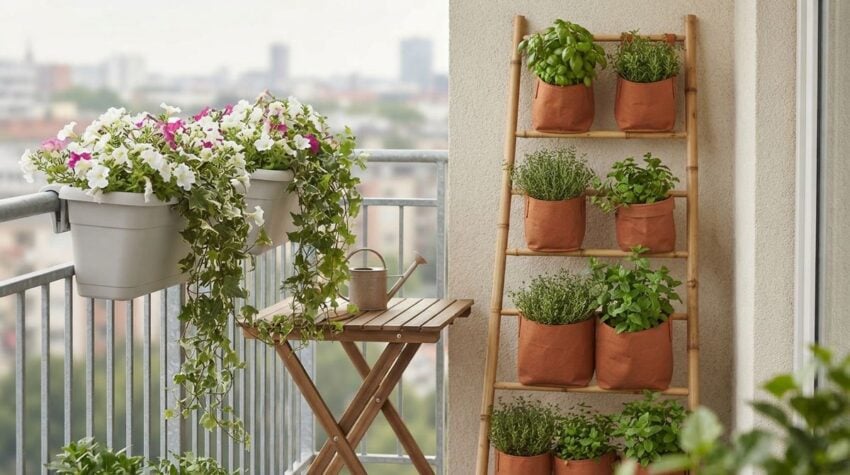
Good photographs help a small pet or garden business stand out on social media, but they do not require expensive equipment. A modern phone, a clean window and a little patience can produce pictures that feel warm, clear and inviting. The most important skills are learning how light behaves, keeping the subject calm and framing the shot so the viewer understands the story. This article offers practical guidance for photographing animals and balcony gardens, with simple steps that suit a home studio or a balcony corner.
Use window light to your advantage
Natural light from a window is one of the most flattering sources available. Position your subject near a window, but not in direct sunlight, which can create harsh shadows and bright spots on fur or leaves. Soft, indirect light from a north-facing window is often ideal, since it lights the subject evenly. Early morning and late afternoon can also give a warm glow, but the light changes quickly, so take a few test shots before you begin.
Keep a simple reflector, such as a sheet of white card, near the subject to bounce light back onto the shadows. This small step can make a pet’s face or a plant’s leaves look brighter and more defined. Avoid using harsh flash, which can startle animals and flatten the image. Readers may also want to visit runwonder.com.
Keep the animal calm and comfortable
Animals rarely pose on command, so plan for patience. Choose a time when the pet is relaxed, such as after a walk or a meal, and keep the session short. Have treats or a favourite toy ready, but use them sparingly so the pet does not become distracted. Get down to the animal’s level, since photographs taken from above often look less engaging than shots taken at eye level.
Let the pet move around and do not force a pose. Some of the most natural images come from quiet moments, such as a cat stretching in a patch of sun or a dog resting its head on a paw. Stop if the animal shows signs of stress, such as flattened ears or repeated turning away, and try again later. The best pictures are taken when the animal is comfortable.
Frame the balcony garden for the story
- Shoot from a low angle to show plants against the sky or the railing.
- Include a small detail, such as a watering can or a pot, to add context.
- Keep the background simple so the plants stand out clearly.
- Use a few leaves in close-up to show texture and colour.
- Capture the garden in different seasons to show change over time.
Framing helps the viewer understand the balcony as a real, living place. A wide shot can show the layout, while a close-up can highlight a flower or a pet’s expression. Try to include a sense of the people who care for the space, perhaps with a hand reaching for a plant, but avoid showing private details such as house numbers or personal documents.
Edit simply and post consistently
Editing does not need to be complicated. Adjust brightness, contrast and warmth gently, and crop to remove distractions. Keep the look consistent across posts, so the feed feels cohesive. A simple, repeatable style is more memorable than a set of effects that change with every picture. Remove any images that are blurry or poorly lit, since a small number of strong photographs is better than many weak ones.
A simple shot list also keeps the photography session productive. Note the animals, plants and corners you want to capture, and check the light at the planned time. You can also visit celebrityhealthinsider.com for more reading. Working from a list reduces wasted time and helps the photographer return with a useful set of images rather than a random collection. Review the set on a larger screen before deleting anything, since small details are easy to miss on a phone. Back up the photographs to a second device so that no good image is lost. Choosing one or two favourite shots from each session makes the posting schedule easier.
Post at a regular rhythm that you can keep up, and write a short caption that adds something useful, such as a care tip or a question for followers. Always check that the animal and the plants are shown safely, and avoid suggesting that a plant or product is suitable for pets unless you have confirmed it. expert guides from horticultural and veterinary organisations can help you verify information before you share it. With window light, patience and a steady posting routine, a phone can produce pictures that build a loyal audience and show the care that goes into every pet and every plant. Revisit older photographs now and then, since a good image can be reused in a new season with a fresh caption. Keep a folder of the best images sorted by season so that the next post is quick to prepare.