
Creating a robust content strategy in the digital marketing landscape requires more than just high-quality writing and keyword optimization. It demands an underlying agility that allows creators to pivot when industry trends change. When industries evolve at a rapid pace, static plans quickly become obsolete. Maintaining relevance means adopting a mindset focused on continuous learning, adaptation, and refinement, ensuring that the information provided remains valuable to the target audience regardless of external shifts.
The primary challenge for digital marketers is not just keeping up with changes, but anticipating them before they become mainstream. This requires a proactive approach to research and a willingness to restructure content plans when necessary. Developing an adaptable strategy helps ensure that your platform remains a trusted resource, providing timely insights that resonate with readers searching for clarity in a complex and crowded digital environment.
Understanding Your Niche Landscape
To remain effective, marketers must stay informed about the broader context in which their content exists. This involves monitoring not only direct competitors but also the broader trends that influence user interests and search behaviors. A thorough understanding of these dynamics allows for the creation of content that addresses current needs rather than rehashing outdated information.
Engaging with authoritative sources is a practical way to maintain this awareness. Utilizing resources such as Techpreds allows for a deeper insight into evolving developments, which is essential for identifying emerging topics that warrant dedicated coverage. By synthesizing these broader insights into your specific content focus, you demonstrate expertise and maintain authority within your niche.
When you align your content with the pulse of your industry, you create a stronger connection with your audience. Readers are looking for platforms that act as reliable filters, cutting through the noise to provide actionable information that matters. Establishing this connection is not a one-time effort but a persistent commitment to understanding the shifting priorities of your community.
Structuring Content for Sustainability
Sustainability in content strategy often hinges on the distinction between fleeting trends and evergreen topics. While it is important to address current events, these should be balanced with substantial, long-form content that provides value over a much longer period. This approach builds a foundation that supports continuous organic traffic, reducing dependency on temporary spikes in interest caused by transient news.
Structuring content into thematic clusters allows for better organization and ensures that the platform remains focused and easy to navigate. By linking related posts together, you create a cohesive user journey that encourages readers to explore more deeply, which in turn reinforces your authority on the subject matter. This internal connectivity is a powerful tool for guiding users through their research process, providing them with a comprehensive understanding of the topic at hand.
Furthermore, sustainability means considering how your content will be perceived in the future. Avoid language that ties your posts to a specific, narrow window of time unless it is strictly necessary. Focus on principles, processes, and core concepts that retain their relevance. This proactive approach to structuring your platform ensures that your earlier work continues to contribute value long after it is published.
Data-Driven Content Refinement
The ability to refine your strategy based on performance data is what separates successful content creators from those who struggle to find an audience. Regularly analyzing how readers interact with your content provides clear direction on what is working and what may need adjustment. This iterative process is crucial for long-term success, as it allows for the optimization of existing content based on actual user engagement rather than assumptions.
When analyzing performance, it is helpful to consider broader network trends, as these can provide context for why certain pieces of content perform differently than expected. Utilizing insights from statlab-dev.com can help in interpreting these larger shifts, allowing you to refine your content focus and ensure it remains aligned with what your audience is actively seeking.
To effectively manage this refinement, consider implementing a regular process for reviewing your content platform. This does not need to be overly complicated. A simple, consistent routine can provide the necessary clarity to move forward. Focus on these key areas during your review:
- Examine engagement metrics to see which topics hold the most interest for your audience.
- Review search query trends to identify new areas for exploration or gaps in current coverage.
- Update internal links to ensure older, high-performing content directs traffic to newer, relevant posts.
Maximizing Impact Through Strategic Repurposing
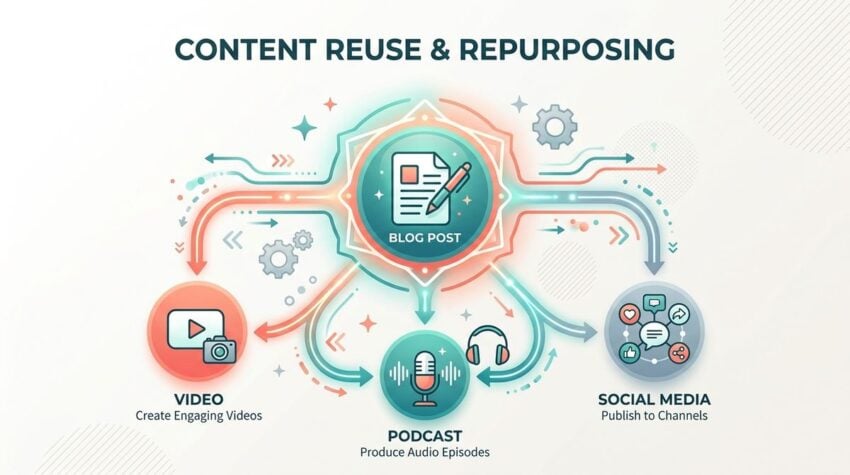
The work involved in creating a high-quality post should be leveraged to its full potential. Too often, valuable content is published and subsequently neglected, losing visibility as newer posts are added. Strategic repurposing involves taking existing content and adapting it into new formats or expanding upon it to reach a wider audience or provide deeper value to current readers.
When you have a piece that performs well, look for ways to expand its utility. Perhaps a post can be transformed into a downloadable guide, a detailed process breakdown, or a structured series of articles. For instance, when launching your own lead magnet effectively, you can support that effort by repurposing relevant blog content into a cohesive resource that guides users through each step of the process. This creates a multi-layered approach to your content, where different formats serve different stages of the reader’s journey.
Repurposing is not just about efficiency; it is about accessibility. Different readers prefer different learning styles and formats. By presenting the same core information in various ways—such as transforming a long-form article into a concise checklist or an instructional guide—you ensure that your expertise reaches the widest possible segment of your target audience, reinforcing your reputation as a helpful, comprehensive resource.
Maintaining Relevance Over Time
A successful content platform is a living entity that requires regular maintenance. Over time, information that was once accurate or comprehensive may become less so. Pruning outdated pages and updating existing content is essential for ensuring that your platform maintains its reputation for quality and reliability. This is a critical aspect of content hygiene that should not be overlooked.
When updating content, focus on ensuring the core message remains clear and the actionable advice remains sound. Pruning, on the other hand, involves removing content that no longer provides value. This might include posts that are redundant, outdated, or simply no longer relevant to your current strategy. By systematically auditing your content, you focus your audience’s attention on the most valuable and up-to-date material, which enhances the overall user experience.
Staying relevant is about commitment. It is the practice of consistently reviewing your output and ensuring it adheres to the high standards you have established for your platform. This dedication ensures that your audience always finds the information they need and continues to view your site as a trusted partner in their ongoing learning journey.