
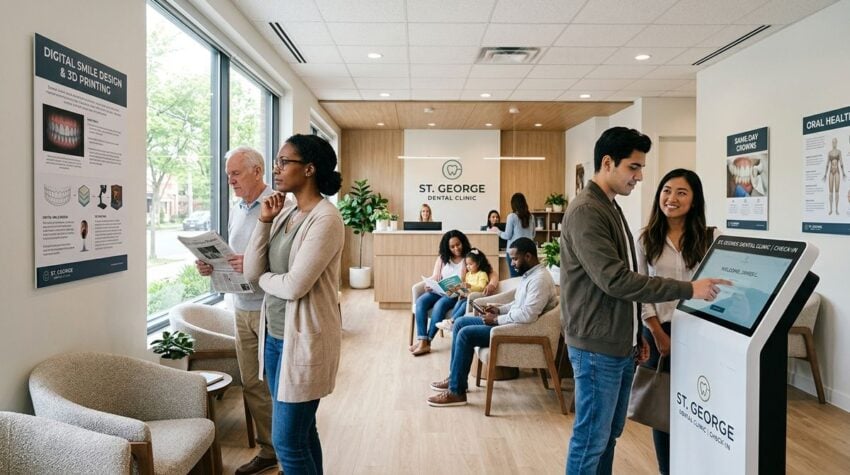
Finding reliable local care often begins with a search query typed during an uncertain or stressful moment. When an individual searches for a community health clinic, physical therapy provider, or integrative wellness practice, they are not merely browsing consumer goods. They are looking for clear guidance, convenient access, and professional competence. For independent clinic administrators and digital marketers, building dependable search visibility in this field requires a thoughtful balance between technical optimization and genuine empathy.
Understanding Patient Intent and Local Community Needs
Health-related searches generally fall into two distinct groups: broad wellness research and localized care inquiries. General inquiries involve people who want to understand lifestyle choices, physical fitness, nutrition, or preventive daily habits. Many readers turn to informational platforms such as wnyhealthshow.com when they want accessible discussions on staying active, nourishing their bodies, and developing positive long-term routines. These readers want clear, supportive articles they can explore at their own pace.
Local service searches, however, have an immediate and practical purpose. When an individual searches for a community health center, dental clinic, or family doctor, they want to know who is open, what insurance arrangements are accepted, and how easy it is to schedule an appointment. Digital marketing teams must respect this distinction. Rather than trying to answer complex diagnostic questions on basic service pages, focus your local pages on clinic accessibility, operating hours, direct contact methods, and transparent descriptions of the care provided.
Designing Patient-Centered Service Pages
A durable search presence begins with dedicated pages for each primary service your facility offers. Avoid grouping unrelated therapies, clinical programs, or treatment modalities onto a single crowded page. Creating separate, focused pages for family medicine, physical rehabilitation, preventive health screenings, and routine wellness checks allows search engines to associate your facility with specific community queries.
Each service page should prioritize patient clarity and comfort. Explain what a newcomer can expect during a first visit, what documents or identification they should bring, and how provider teams approach patient concerns. An emphasis on compassionate service and accessible choices is central to healthcare communication, as seen on community healthcare resources like Hospitalroad.com, where the focus remains on connecting families with supportive medical environments and dependable care options. Reflecting that same patient-first ethos across your website establishes immediate credibility with visitors who may feel anxious about seeking care.
Keep page design clean, legible, and simple to navigate. Use straightforward headings to divide sections, and place phone numbers, maps, and appointment request buttons in prominent locations. Mobile usability is particularly critical for healthcare sites, as community members frequently search for clinic details on phones while en route or managing urgent family schedules.
Managing Clinic Updates and Practice Transitions
Healthcare practices frequently expand facilities, welcome new medical staff, or relocate to larger premises. Any shift in your physical operations can cause temporary disruption for both search engine crawlers and returning patients. Search engines rely heavily on consistent information across directory profiles to verify that your clinic remains an active, trustworthy local institution.
When planning a move or opening an additional location, begin auditing your directory listings several weeks in advance. Prepare clear notifications on your website and maintain open communication with the neighborhood. Preparing an organized email schedule during a clinic relocation keeps your community informed at sensible intervals without overwhelming their inboxes. Regular updates reduce confusion, confirm upcoming appointment dates, and reassure patients that their care will continue without interruption.
Once your new facility opens, update all map listings immediately, publish clear photos of the new entrance and parking area on your contact page, and monitor patient reviews closely. Addressing transition questions promptly helps maintain steady search visibility and prevents patient frustration.
Core Optimization Steps for Community Practices
Search optimization for community health facilities requires steady attention to foundational directory details and on-site organization. Taking structured steps ensures search engines understand your location and service offerings clearly.
Actionable Local SEO Checklist
- Claim and completely fill out your primary local map profiles with precise clinic categories.
- Publish individual biography pages for licensed practitioners highlighting their credentials and areas of focus.
- Implement local business structured data on your primary contact and location pages.
- Provide clear transit directions, parking instructions, and accessible entrance details on location pages.
- Review all third-party medical directory citations regularly to correct outdated suite numbers or telephone lines.
Each of these actions reinforces your connection to the physical community you serve. When search engines detect consistent address details, accurate hours, and verified clinician credentials across trusted directories, they can confidently present your clinic to local residents in need of care.
Publishing Responsible Health and Wellness Guidance
Educational articles can help demystify healthcare, address common patient concerns, and encourage proactive personal wellness habits. However, creating content in the health sector carries significant ethical responsibility. Search platforms evaluate health and wellness pages with great scrutiny, favoring material that demonstrates safety, accuracy, and clear editorial oversight.
Center your articles on practical lifestyle guidance and general health literacy rather than speculative diagnoses. Topics such as preparing questions for an annual physical, understanding seasonal wellness habits, or simple ergonomic advice for desk workers offer genuine utility without making unwarranted medical claims. Always include a straightforward disclaimer reminding readers that website articles are for informational purposes only and cannot replace personalized medical evaluations.
Additionally, ensure that articles are written, reviewed, or approved by qualified clinic staff members. Accompany each piece with a brief biographical note detailing the author or reviewer’s professional background. Showing the qualified professionals behind your content builds trust with your community and aligns with search standards for responsible publication.
Fostering Patient Trust and Ongoing Feedback
Patient reviews play a meaningful role in how individuals select local healthcare providers. Community members often want to read about the experiences of others before choosing a clinic for their families. Encouraging feedback in an ethical, low-pressure manner helps build an authentic record of your practice’s dedication to quality care.
Staff can invite feedback through simple follow-up notices, appointment summary cards, or informational signs placed in reception areas. Always respond to public reviews with calm professionalism and strict adherence to patient privacy rules. Thank individuals for kind remarks, and address concerns with considerate, non-defensive replies that offer an offline conversation to resolve any difficulties.
Long-term search visibility for healthcare and wellness providers is rooted in dependability and transparency. By prioritizing clear service information, keeping location data accurate, and offering honest, helpful educational resources, your clinic can develop a steady online presence that truly supports community wellbeing.