
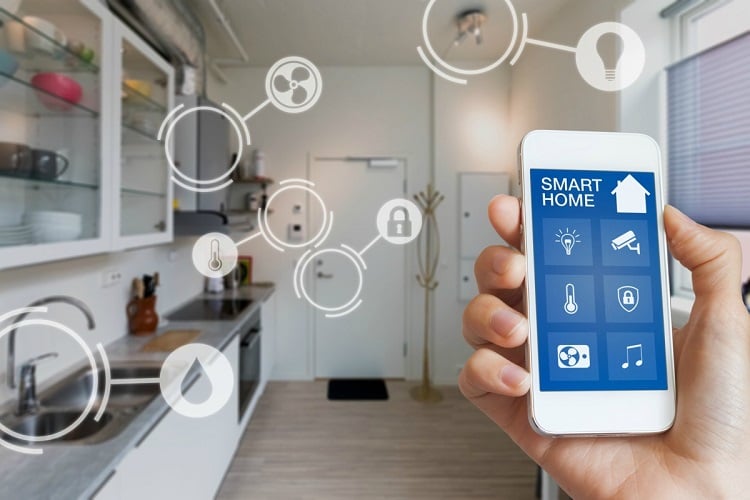
Technology has completely changed the way we live, work, and communicate. One of the most exciting advancements of our time is smart living, a lifestyle powered by connected homes and intelligent devices. From smart speakers that play your favorite songs with a voice command to refrigerators that remind you to buy milk, modern technology has made life more comfortable, efficient, and enjoyable.
What Is Smart Living?
Smart living refers to using technology to make daily life easier and more convenient. It involves connecting household devices, such as lights, appliances, thermostats, and security systems, to the internet so they can be controlled remotely. These devices are often powered by artificial intelligence (AI) and can learn from your habits to make smart decisions on their own.
Imagine walking into your home after a long day, and the lights automatically turn on, the temperature adjusts to your preference, and your favorite music starts playing. This is what a smart home can do, it understands your needs and responds without you having to lift a finger.
How Connected Homes Work
A connected home uses smart devices linked through Wi-Fi or Bluetooth. These devices communicate with each other and can be controlled using a smartphone or voice assistant like Alexa or Google Assistant. The goal is to create a smooth and personalized experience for every user.
For instance, smart thermostats can detect when you are home and adjust the temperature accordingly. Smart locks allow you to unlock your door with a phone tap. Even smart lighting systems can be programmed to turn on gradually in the morning to wake you up gently.
Platforms such as Urban Splatter often share insights into how technology continues to make our lives simpler and smarter through these innovations.
Benefits of Smart Living
Smart homes offer several advantages that go beyond convenience. They help save time, energy, and money while improving comfort and security.
- Energy Efficiency – Smart thermostats and lighting systems reduce unnecessary energy use, helping you save on bills while being environmentally friendly.
- Better Security – Smart cameras, alarms, and motion sensors allow you to monitor your home from anywhere, keeping your property and loved ones safe.
- Time-Saving Convenience – With automation, daily chores like vacuuming or controlling appliances become quick and effortless.
- Accessibility – Smart homes also support people with disabilities or elderly individuals by offering voice or motion control for lights, locks, and other devices.
These benefits make smart living not just a luxury but an essential part of modern lifestyle design.
The Role of Artificial Intelligence in Smart Homes
Artificial intelligence plays a vital role in making devices smarter. AI helps your devices “learn” your behavior. For example, a smart coffee maker may learn when you usually wake up and start brewing coffee automatically. Over time, AI personalizes your home experience, making it more responsive and efficient.
AI assistants such as Siri, Alexa, and Google Assistant are at the heart of many smart homes. They act as virtual partners, helping users manage schedules, control appliances, and access information instantly.
If you’re interested in exploring how new technologies continue to evolve and influence our daily lives, you can find detailed discussions in this section on technology innovations.
Challenges of Smart Living
While smart living has many advantages, it also comes with challenges. Privacy and data security are major concerns. Since smart devices collect data about users’ habits and routines, protecting that data from hackers is essential. Manufacturers are continuously improving encryption and security measures to make smart homes safer.
Another challenge is the cost. Smart devices can be expensive initially, but many homeowners see them as a long-term investment. As technology becomes more common, prices are slowly dropping, making smart living more accessible for everyone.
The Future of Connected Living
The future of smart living looks bright. With 5G networks and faster internet, connected homes will become even more powerful and efficient. Soon, we may see homes that can predict our needs even before we express them.
Imagine a home that senses your mood and adjusts the lighting or music accordingly, or one that orders groceries automatically when supplies run low. These are not distant dreams but possibilities being developed today. As innovation continues, the connection between humans and technology will grow even stronger.
Conclusion
Smart living represents the future of comfort, efficiency, and sustainability. With connected homes and intelligent devices, life becomes simpler and more enjoyable. From energy savings to enhanced security, the benefits are endless.
As technology continues to evolve, embracing smart living will no longer be an option, it will be a part of everyday life. By making thoughtful use of these innovations, we can create homes that are not only intelligent but also truly in tune with our lifestyles.